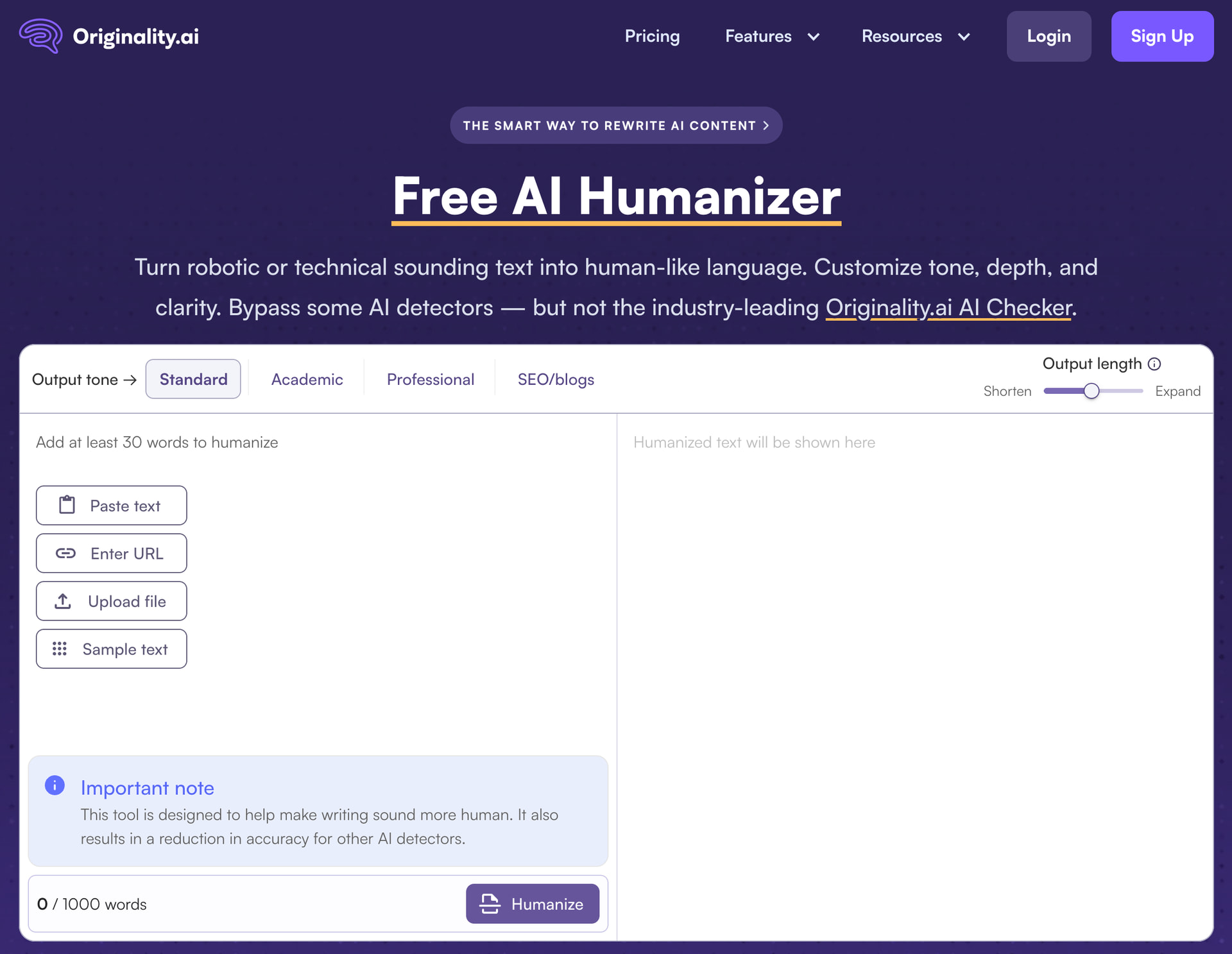
Originality AI built its reputation on accurate AI detection, but the company has also released a free AI Humanizer that promises to “rewrite AI content the smart way” so that it doesn’t get flagged as AI-generated by most detectors (Originality’s own industry-leading detector is the exception). I wanted to see how it performs in practice and whether the tool offers any real value.
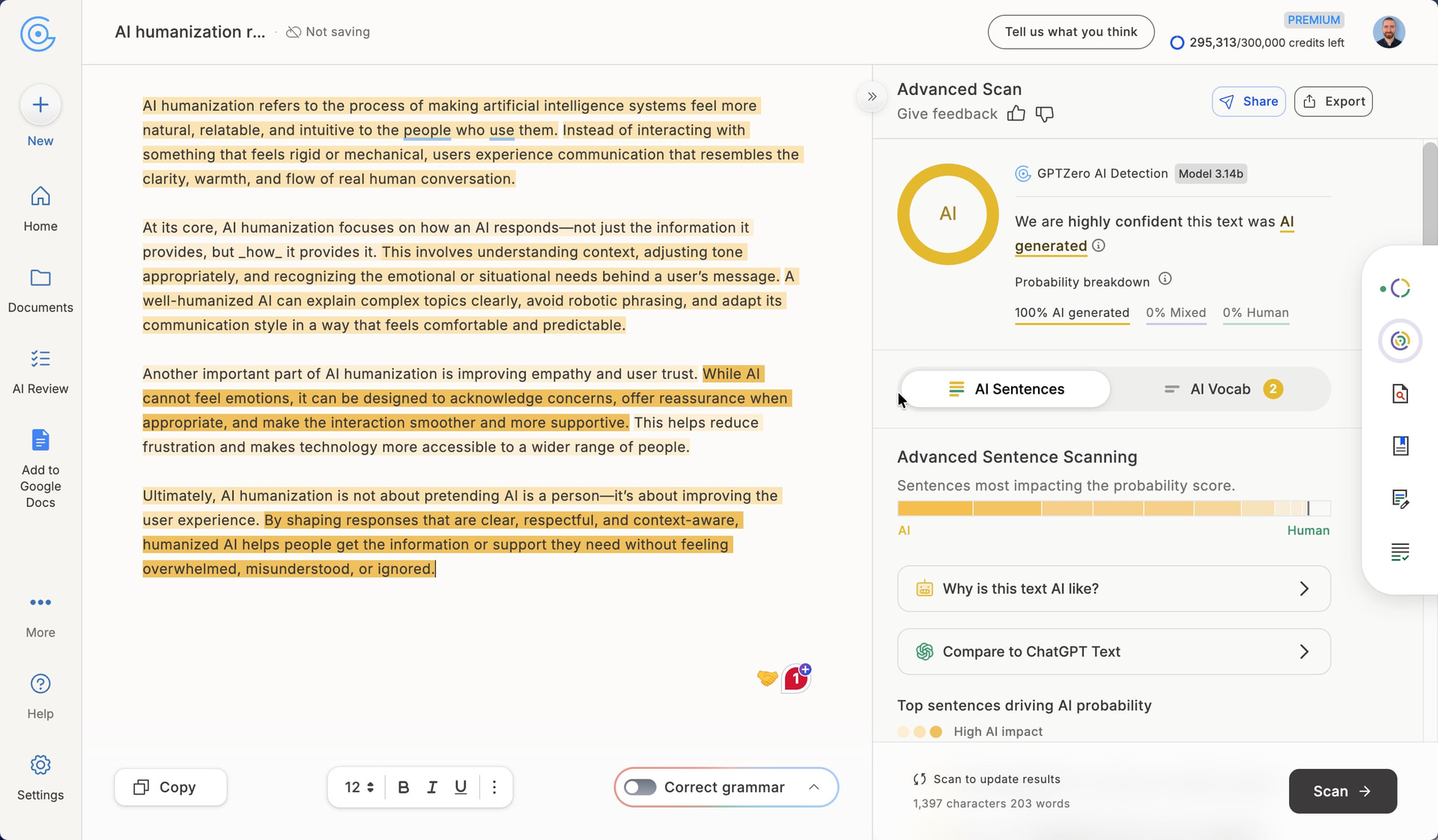
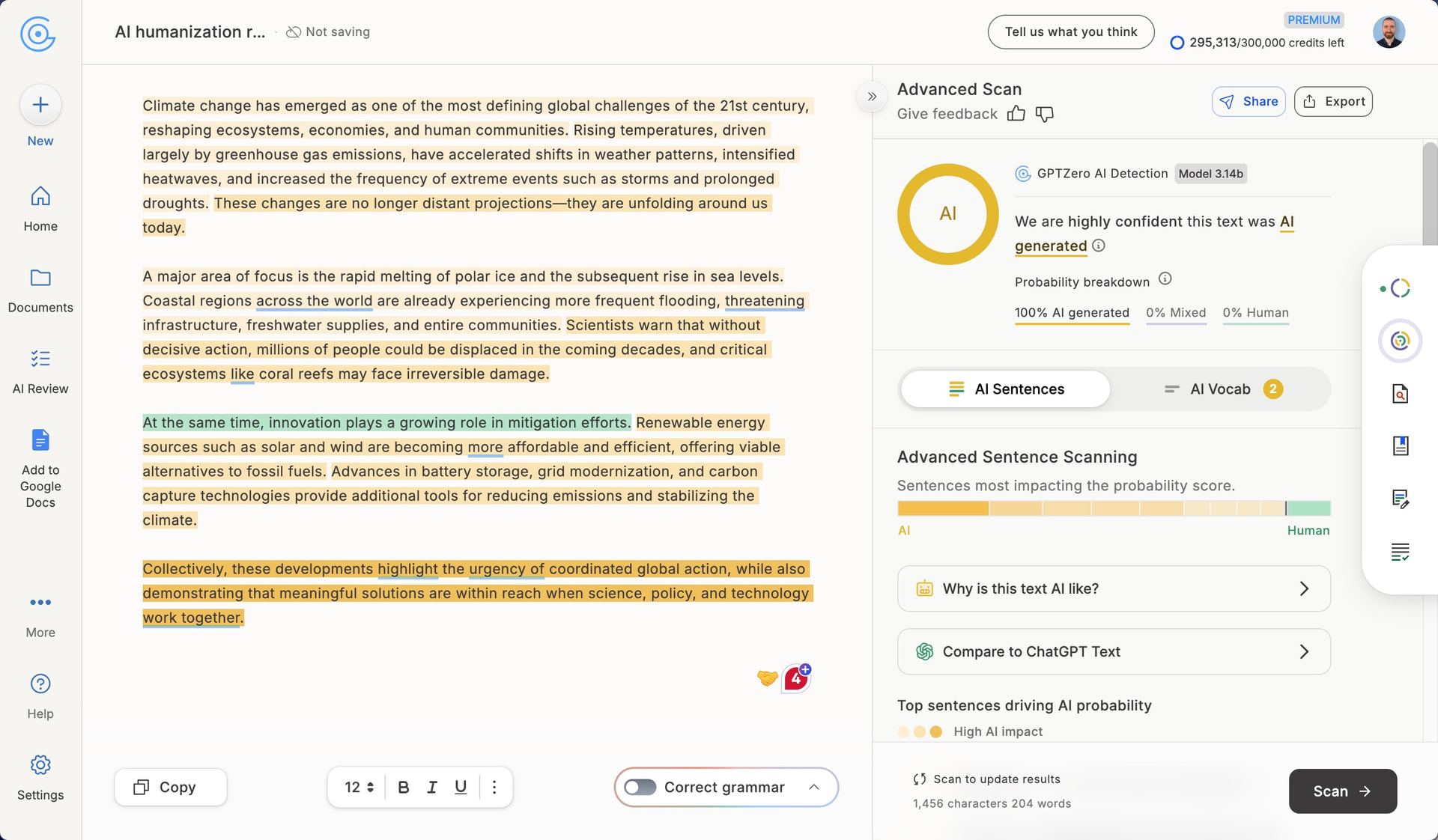
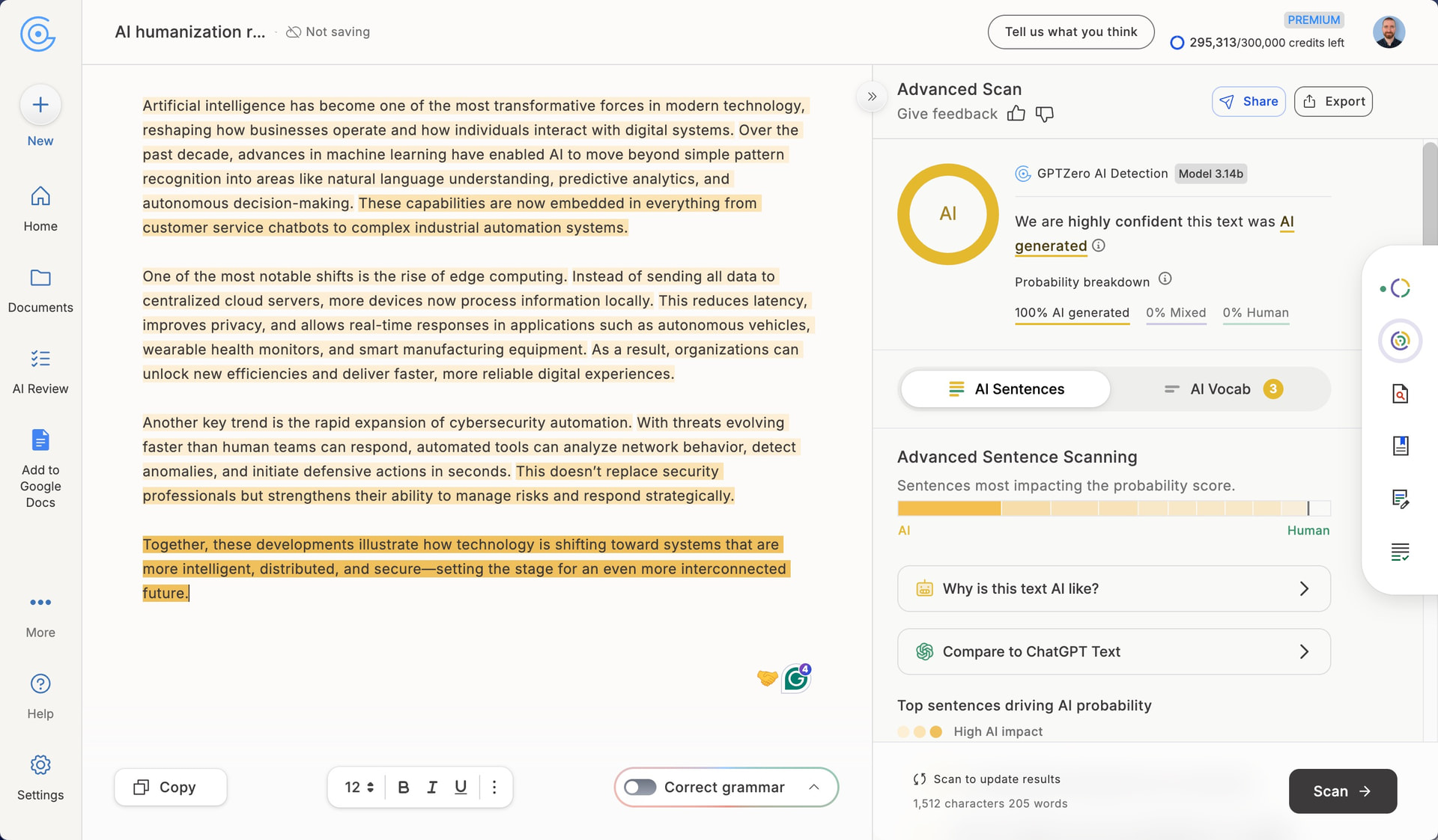
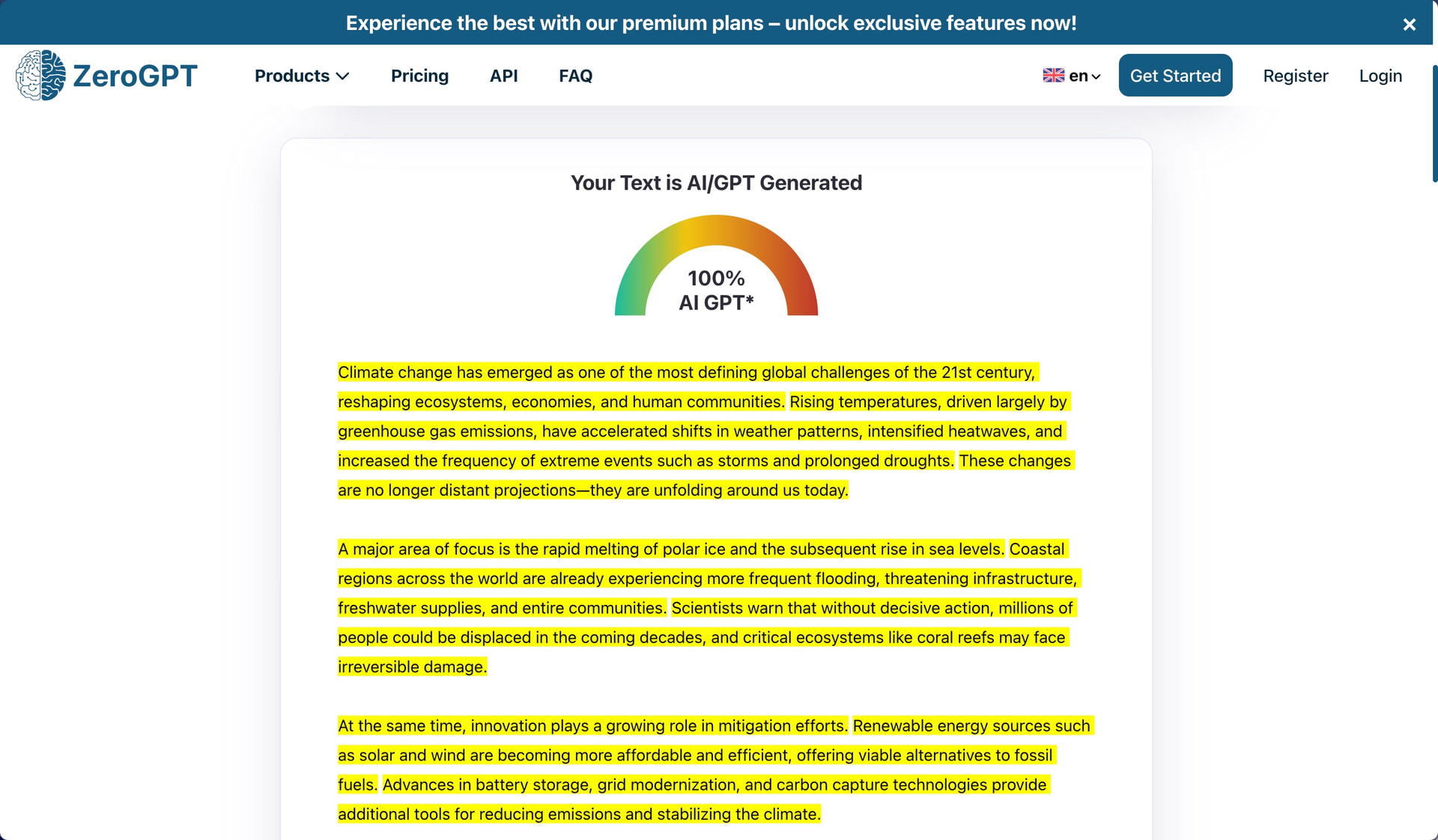
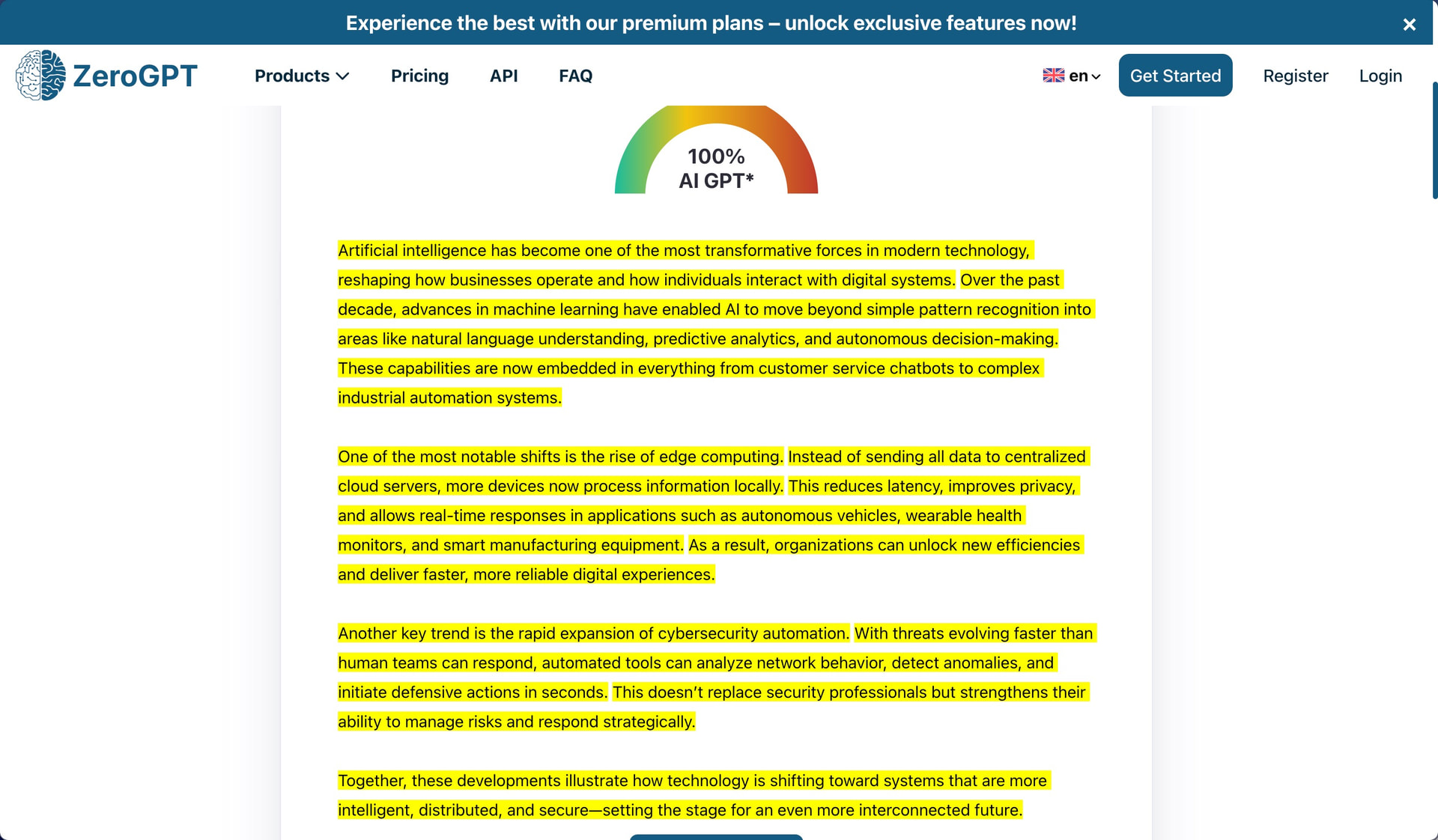
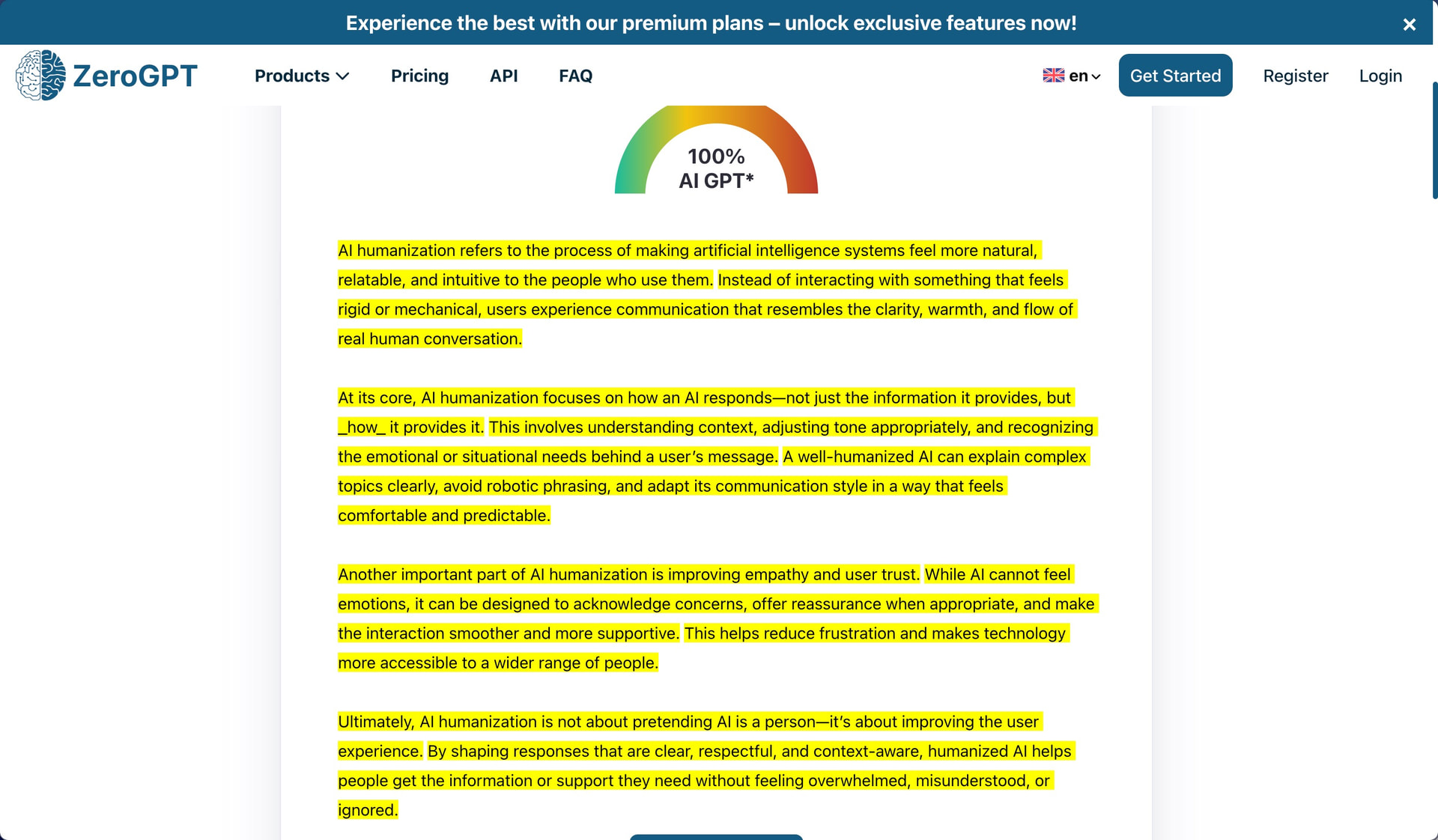
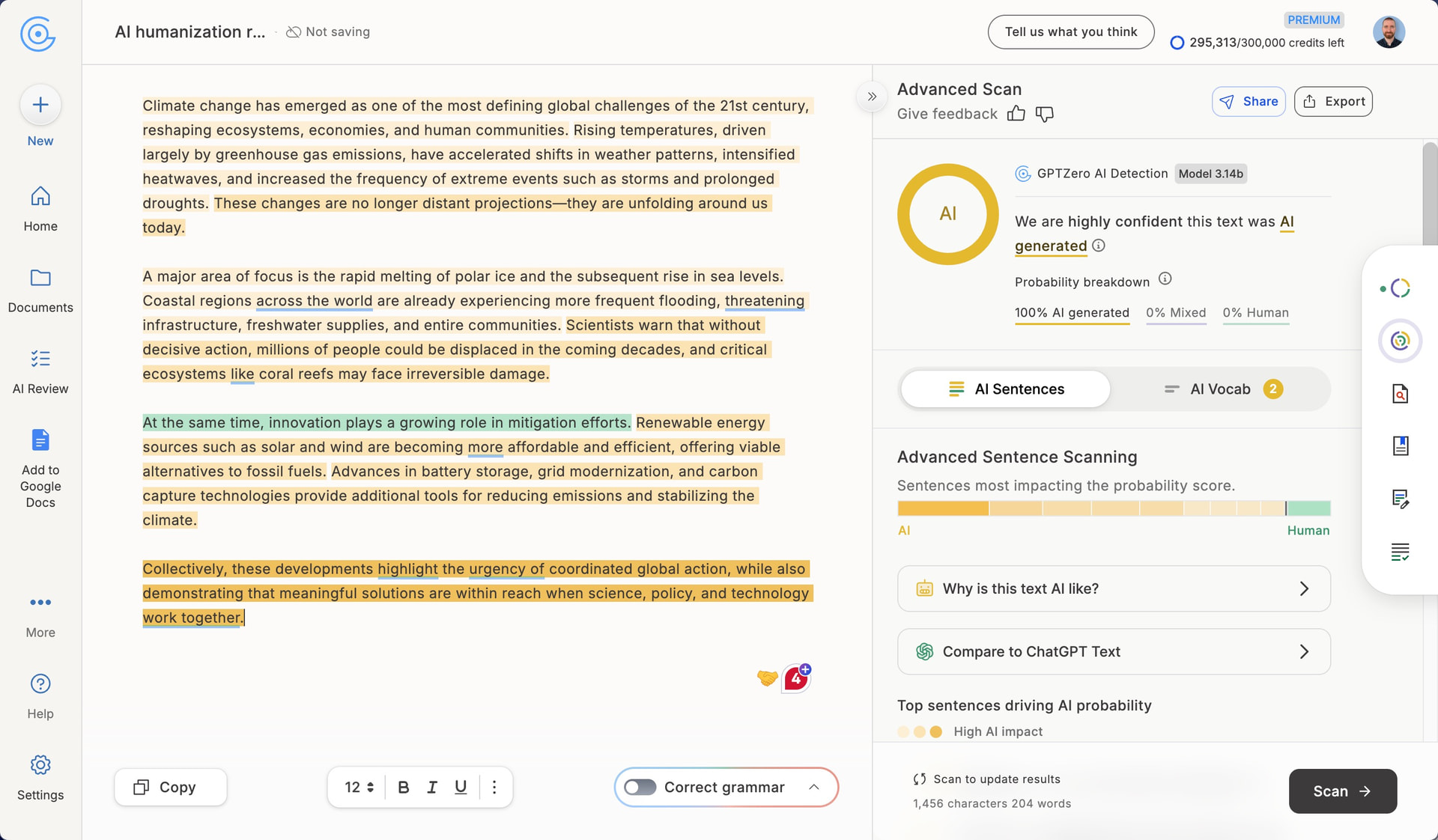
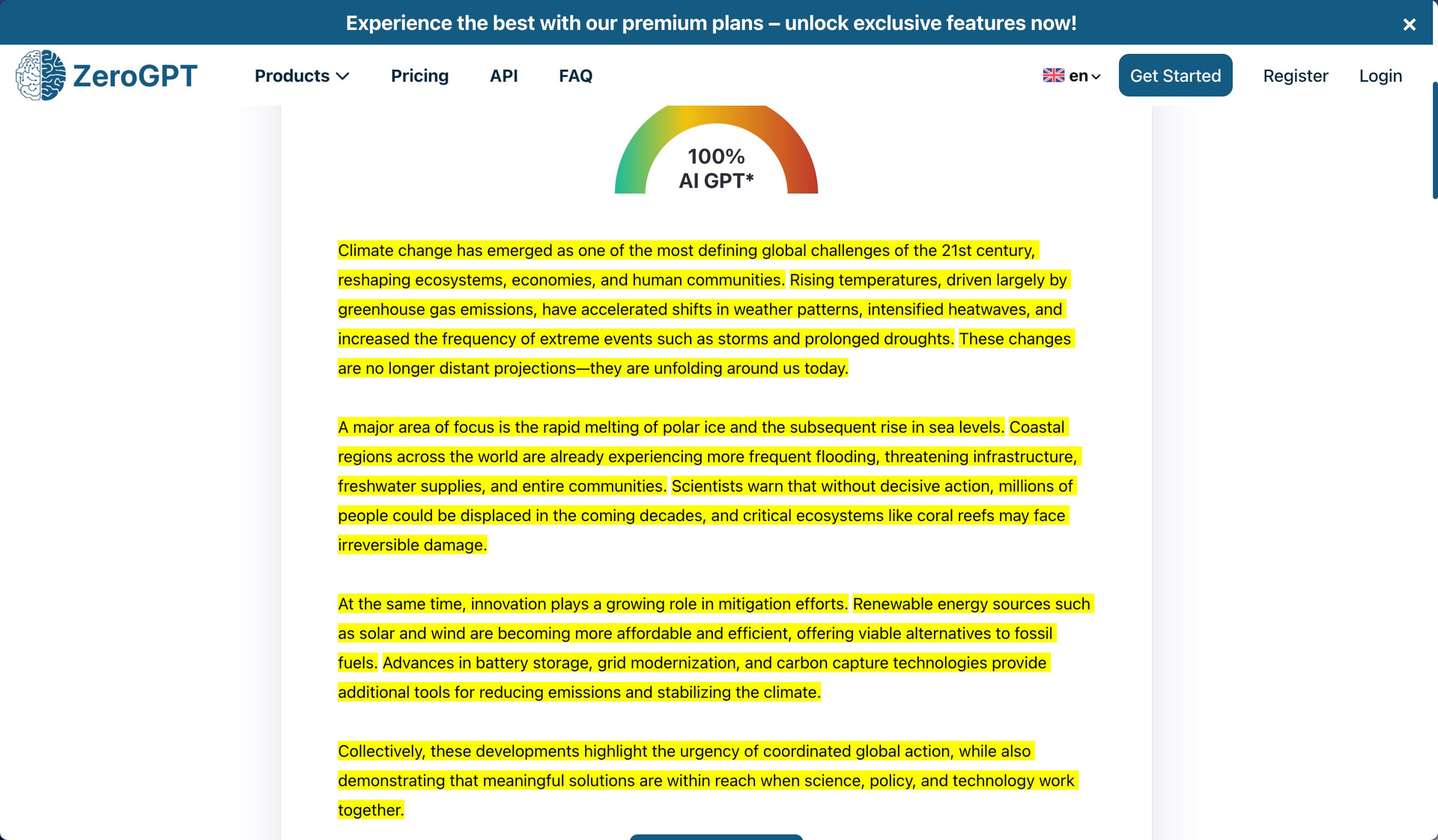
How I test: I generated three AI content samples using the latest ChatGPT model, each approximately 200 words and covering different topics (AI humanization, technology trends, and climate change). I established baseline detection scores by running the original AI-generated texts through both GPTZero and ZeroGPT, then processed each sample using Originality AI Humanizer with Standard mode and then also with SEO/blogs mode. I re-tested the humanized outputs through both detection platforms to measure how effectively the tool reduced AI detection scores. I also manually evaluated the grammar quality and readability of all humanized text. You can find the raw test data for this review here.
| Pros | Cons |
|---|---|
| Completely free to use | 100% AI detection on all test samples |
| No account required for basic access | Barely modifies source text |
| Output length slider maintains word count control | Leaves em-dashes and AI markers intact |
| Clean, grammatically correct output | 300-word limit |
| Professional and relatively user-friendly privacy policy | No meaningful difference between mode outputs |
| Exists mainly as a marketing funnel |
How Well Did Originality AI Humanizer Perform?
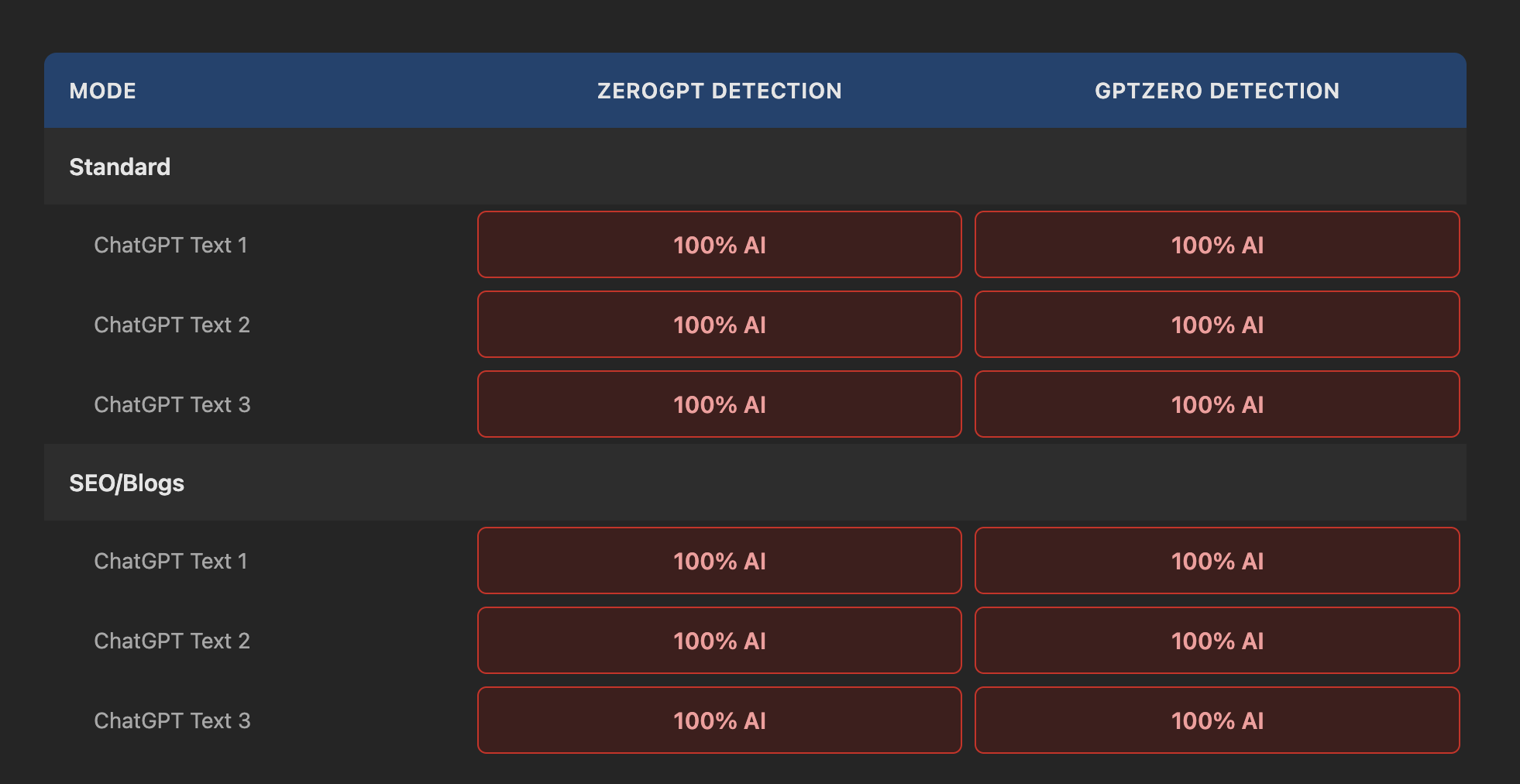
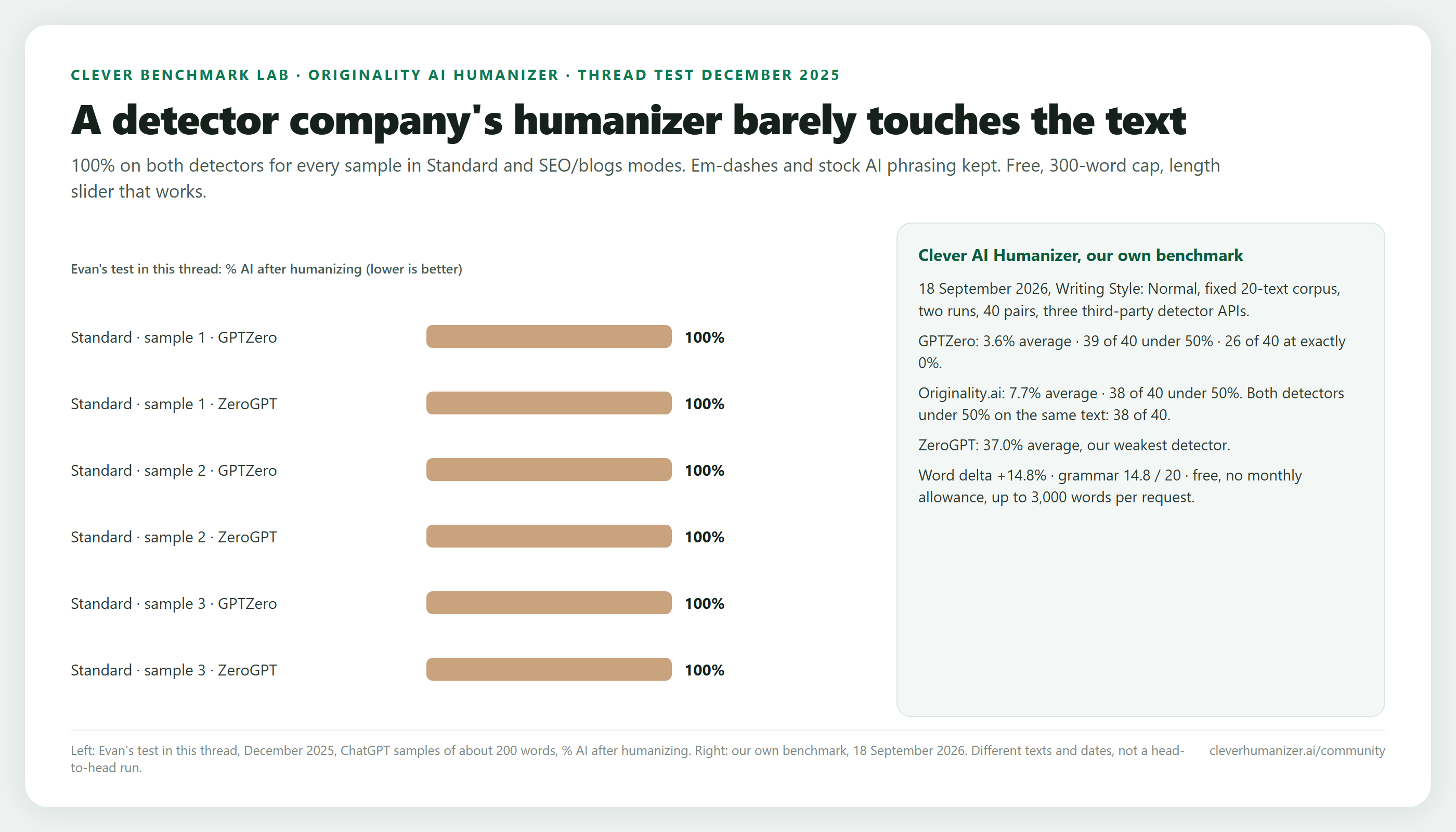
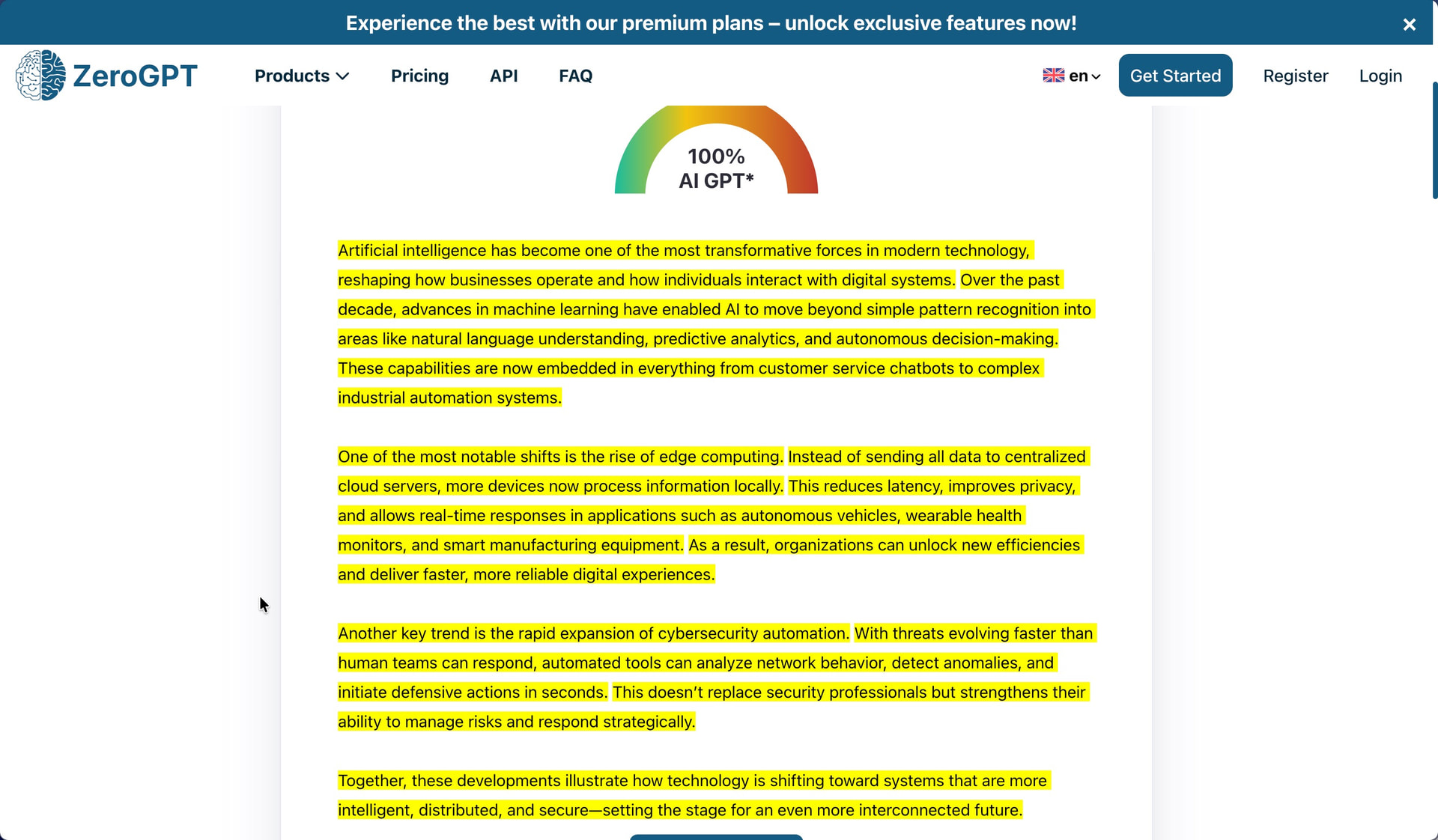
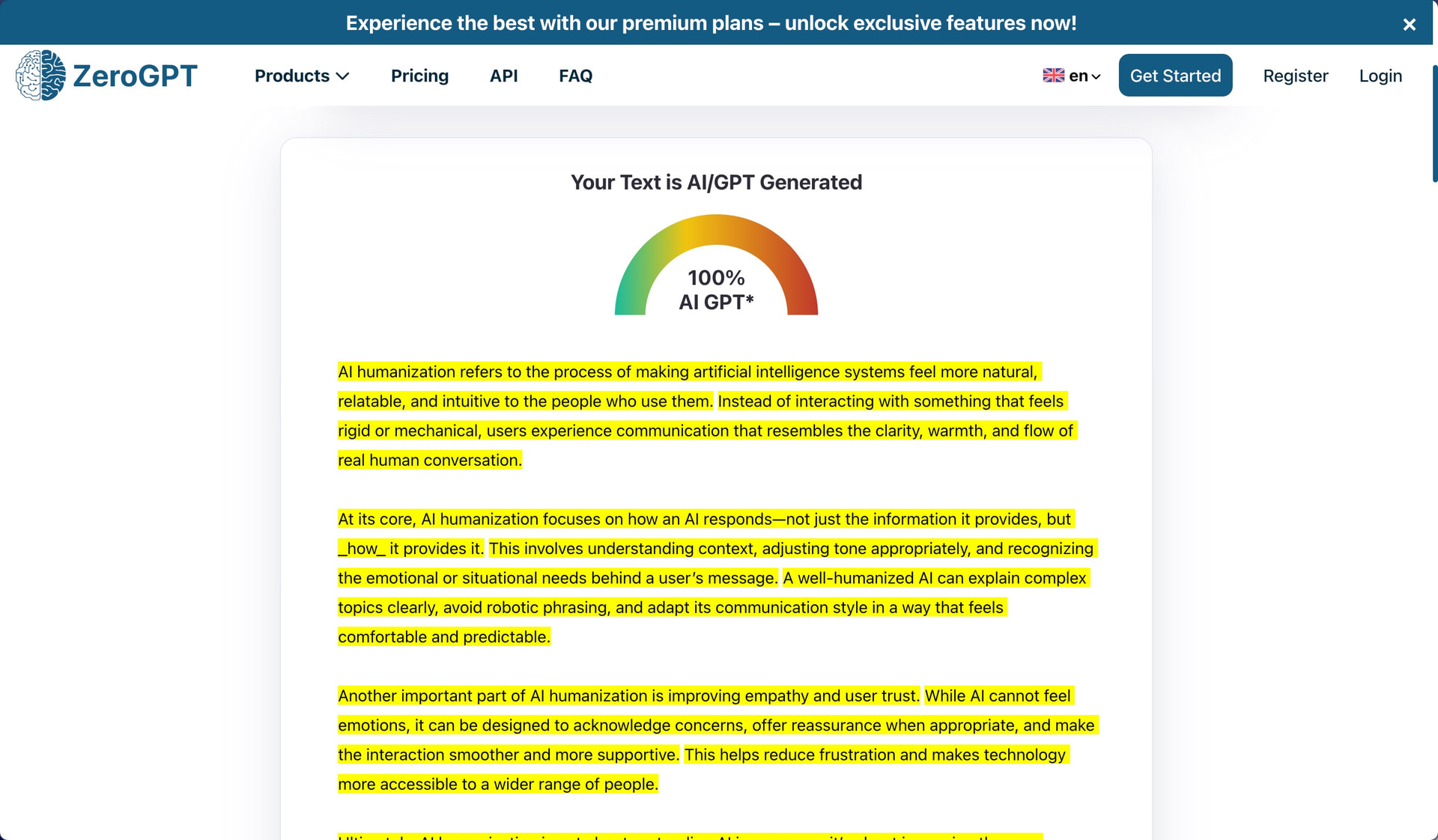
Every single output humanized by Originality AI Humanizer was flagged at 100% AI detection by both GPTZero and ZeroGPT. This happened across all three test samples and in both Standard and SEO/blogs modes (there are also Academic and Professional modes). Not a single text showed any reduction in detection scores whatsoever.
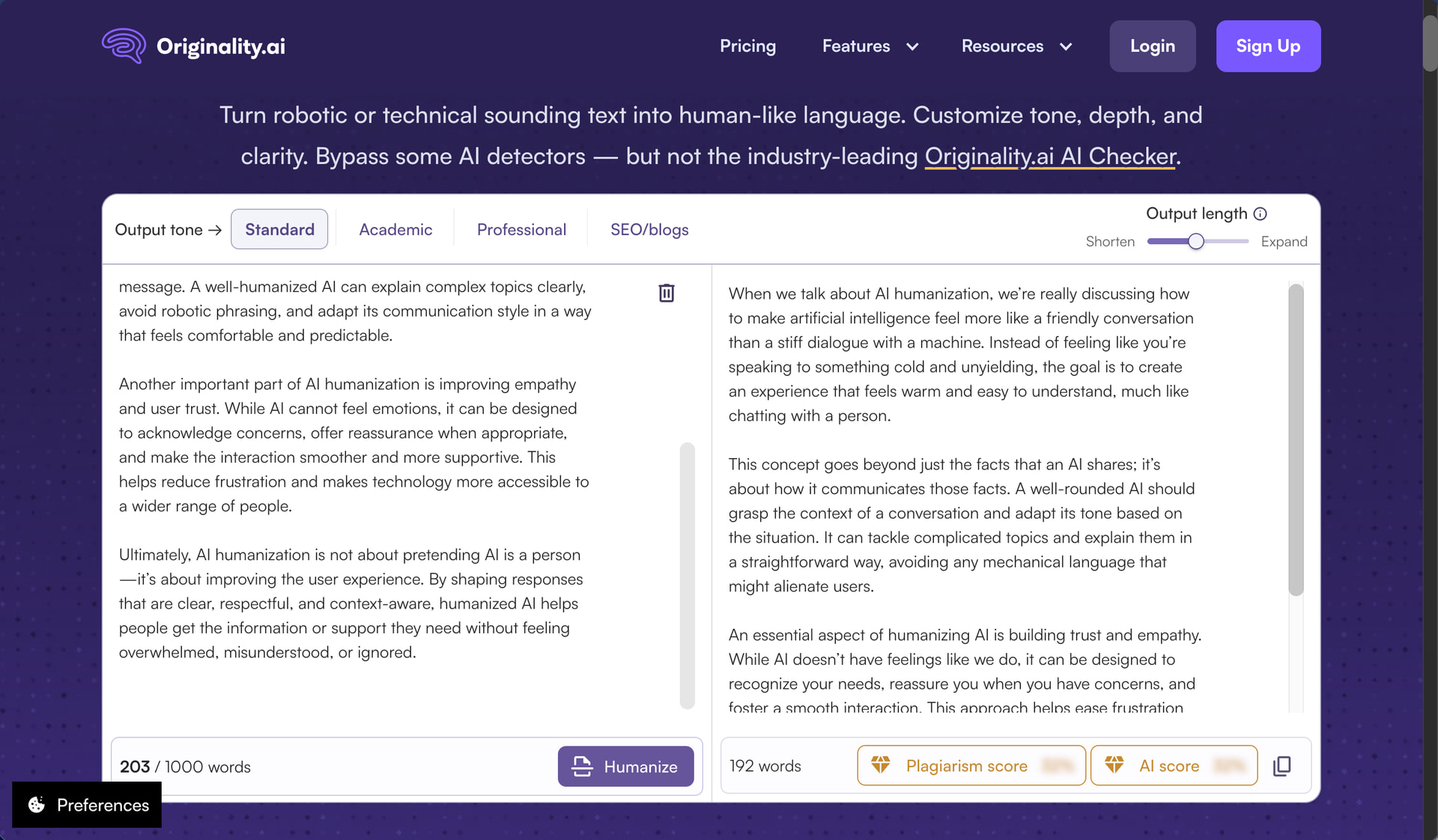
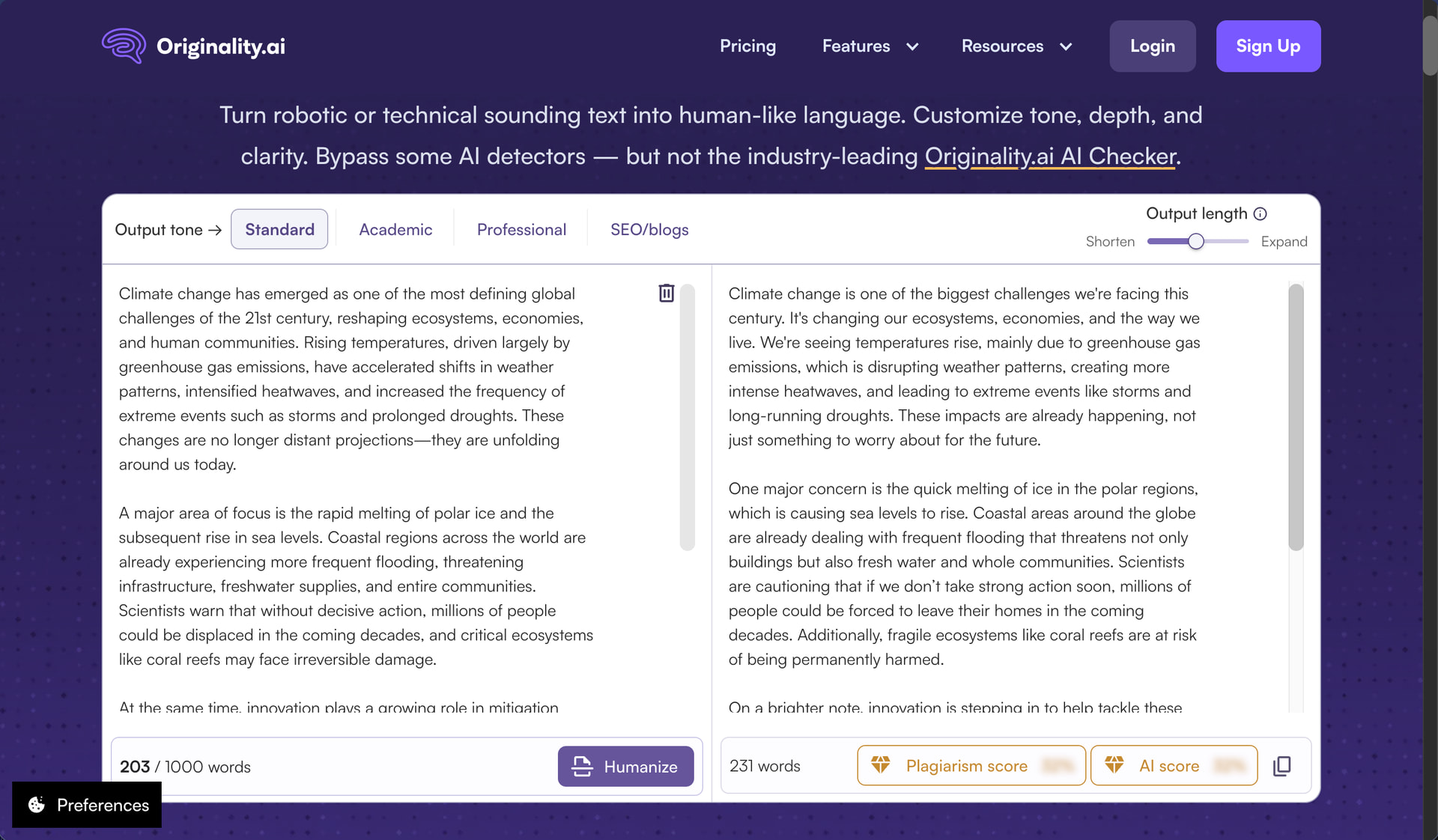
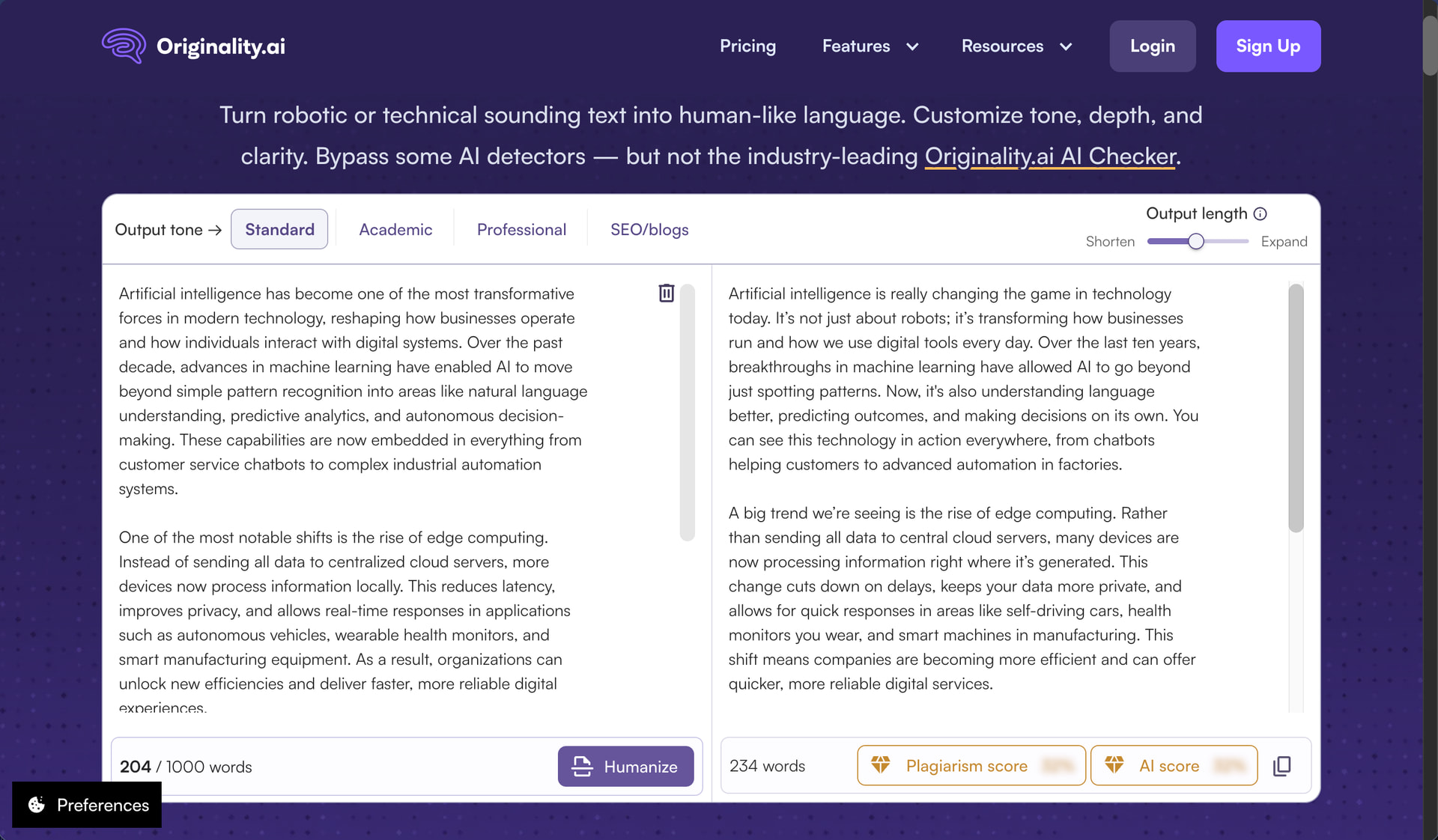
What’s more, testing the free version required some patience because Originality caps free usage at just 300 words total, which meant I had to open an incognito browser window for each new test to reset my allowance. At least you can use the humanizer without creating an account, which removes one common friction point that competitors like Grubby AI and Walter Writes AI impose on free users.
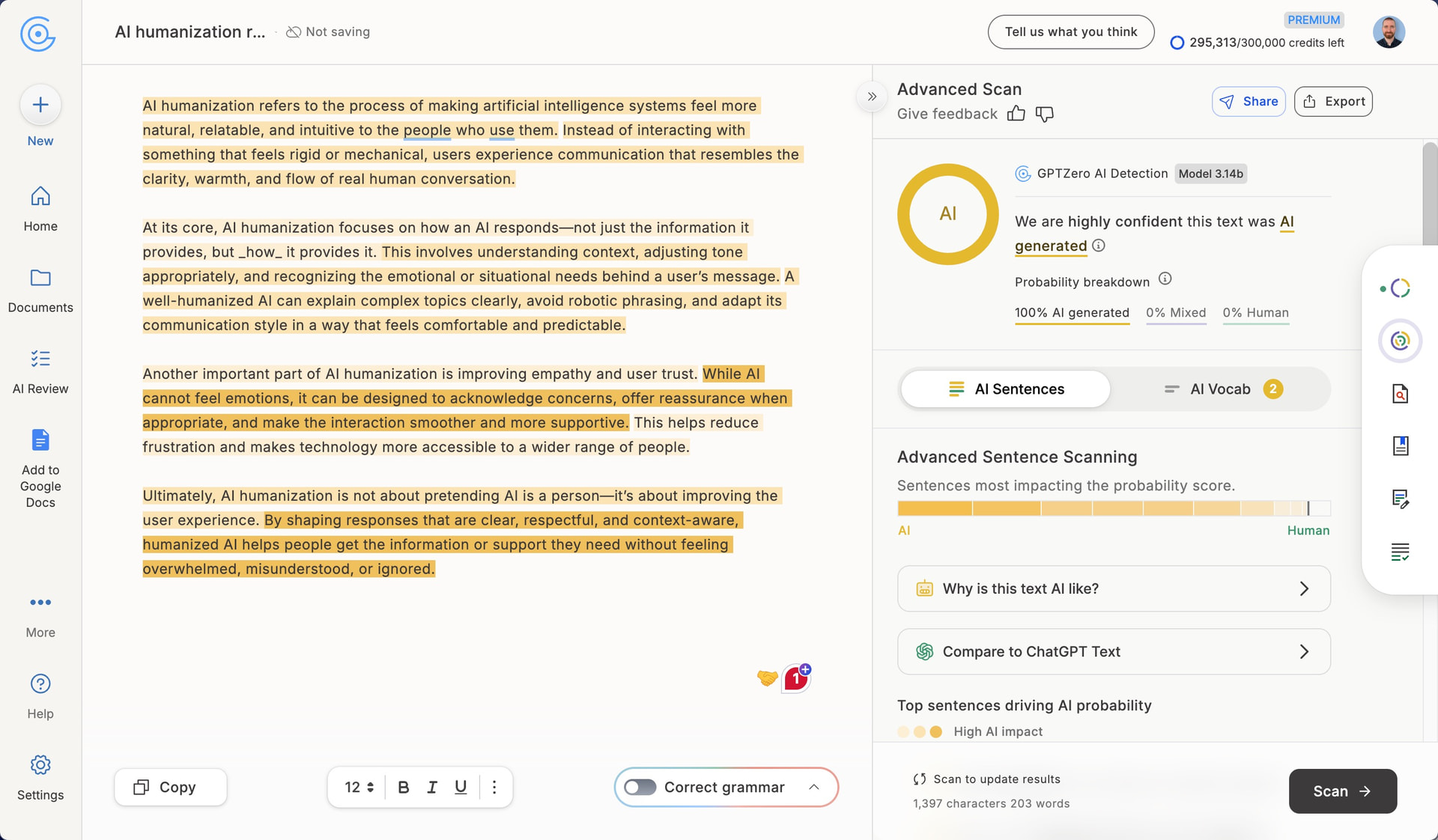
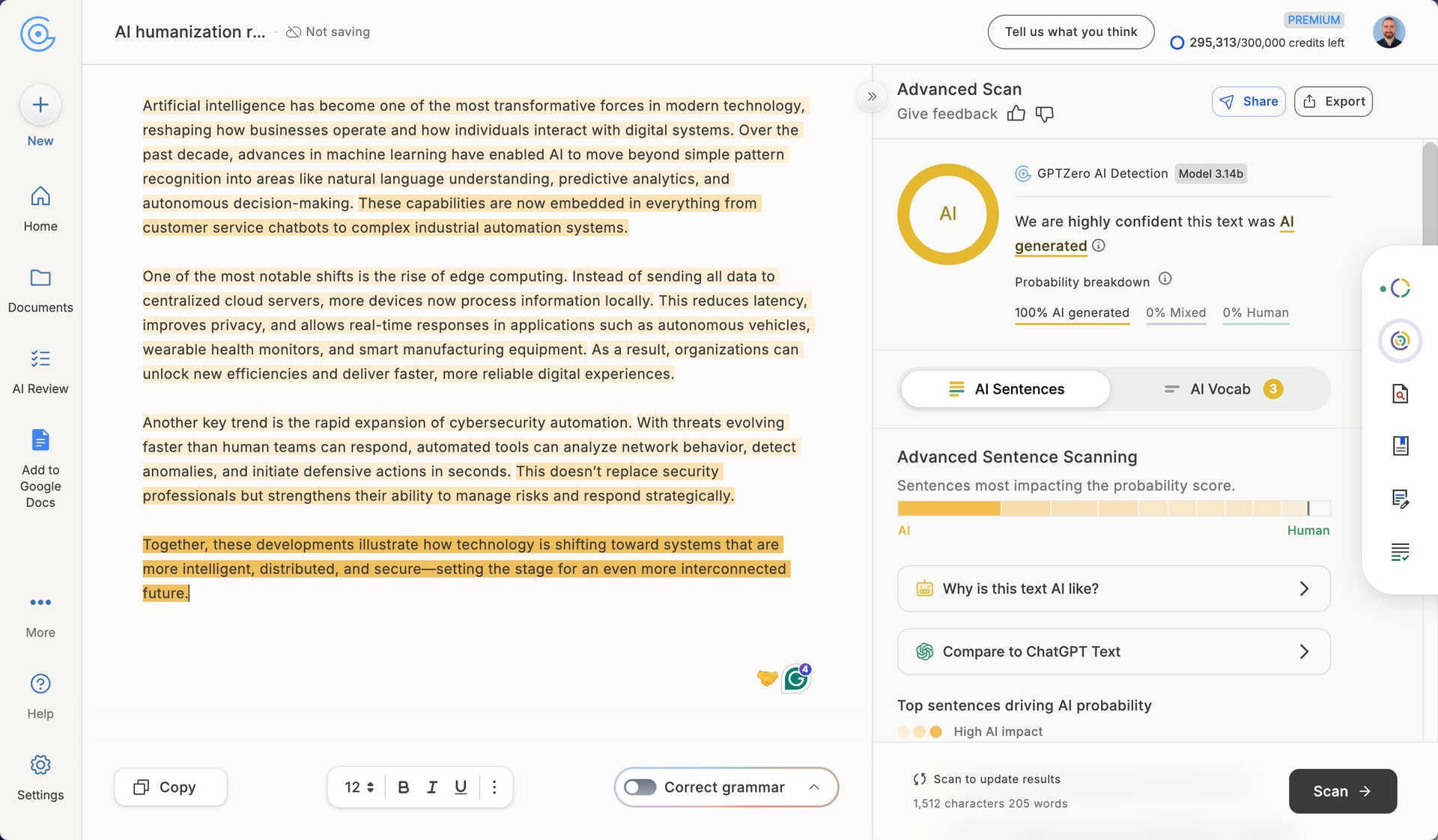
Beyond the four tone presets, you can also play with an output length slider to choose between shorter, unchanged, or expanded versions of your text. When left in the default middle position, the humanized output genuinely maintains roughly the same word count as the original, which is helpful when working within specific length constraints. Many competing humanizers aggressively inflate text by 30% to 50% during processing, so this level of control is a welcome feature even if the detection results fall flat.
But a tool that lets you precisely control word count while doing essentially nothing to the text underneath is solving the wrong problem. If you want a humanizer that keeps text close to its original length and also actually changes detection outcomes, my Clever AI Humanizer review covers a free option that managed both.
How Well Does Originality AI Humanizer Maintain Writing Quality?
Writing Quality Score: 7/10
Originality AI Humanizer appears to make extremely minimal changes to the source text, which explains both the preserved quality and the complete failure to reduce detection scores.
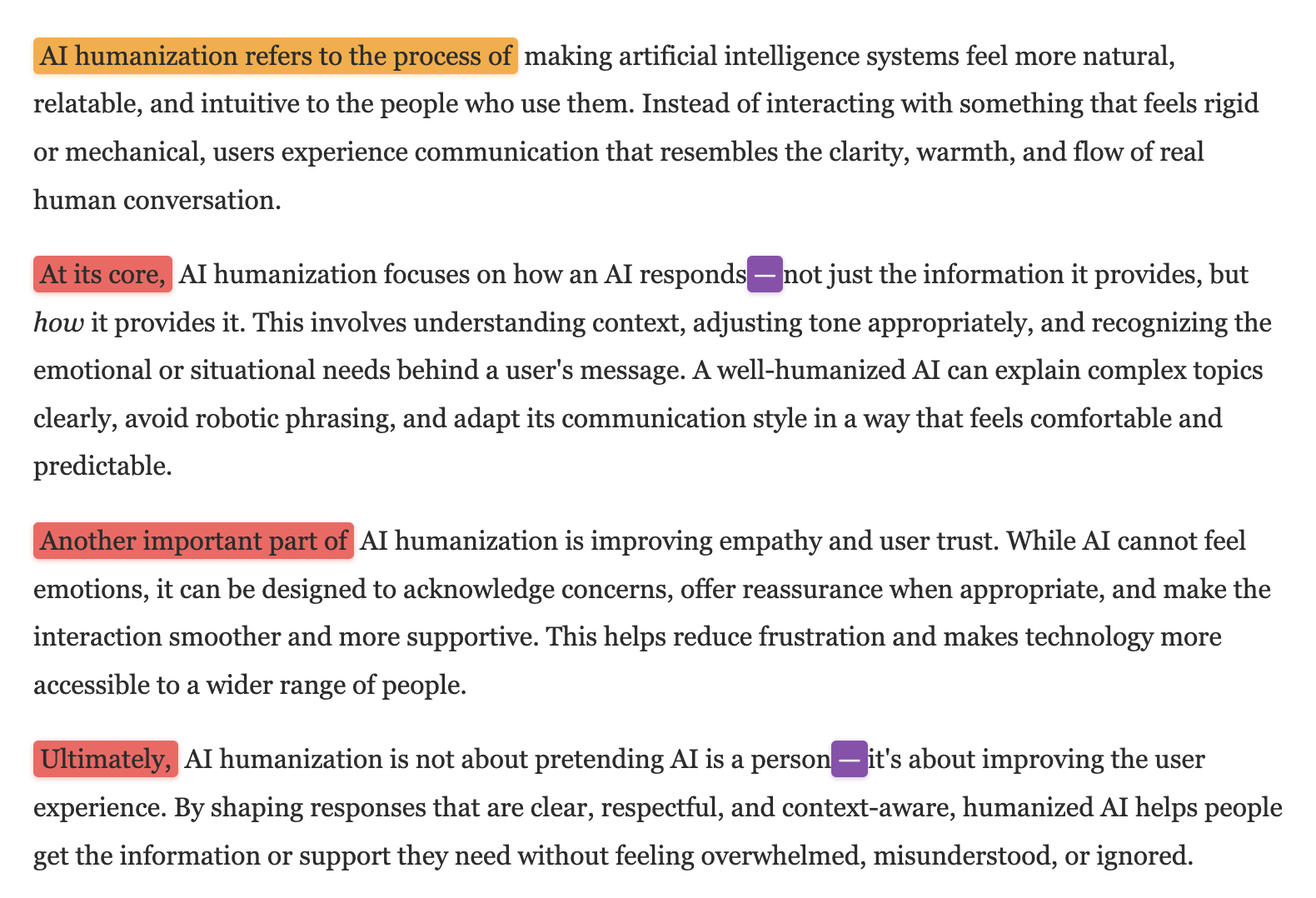
Comparing the Standard and SEO/Blogs outputs side by side, I struggled to identify meaningful differences between them or significant departures from typical ChatGPT writing patterns. The first text opens with “AI humanization refers to the process of,” which is a formulaic construction that AI detectors have learned to recognize. The second text uses “one of the most transformative forces,” and the third employs “one of the most defining global challenges,” both of which are overused AI phrasings that a more aggressive humanizer would target for replacement.
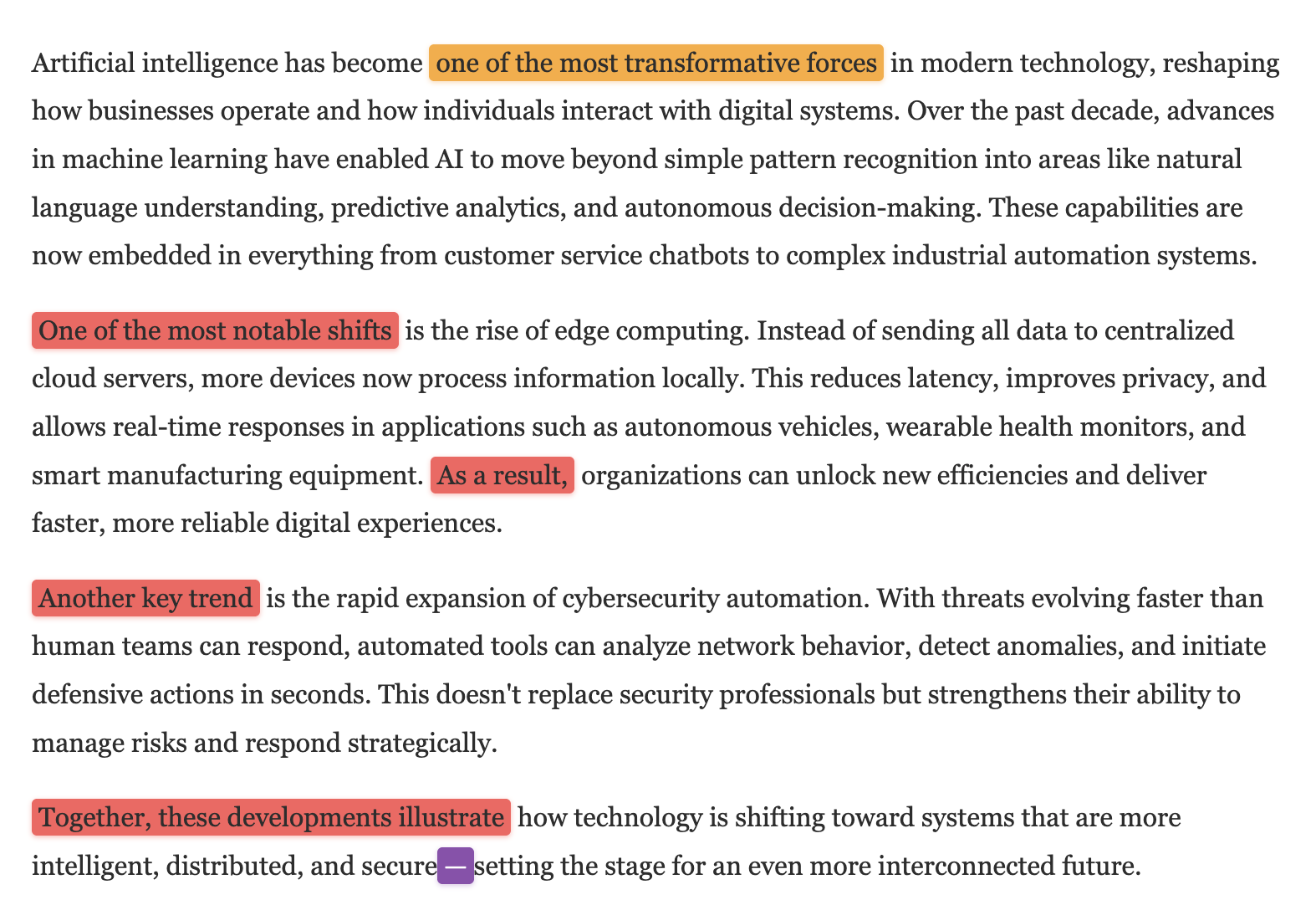
Em-dashes appear frequently across all outputs, including constructions like “responds—not just the information it provides,” “These changes are no longer distant projections—they are unfolding,” and “more intelligent, distributed, and secure—setting the stage.” As I’ve noted in previous reviews, em-dashes have become strongly associated with AI-generated content, and most serious humanizers specifically remove or replace them. Originality AI leaves them untouched.
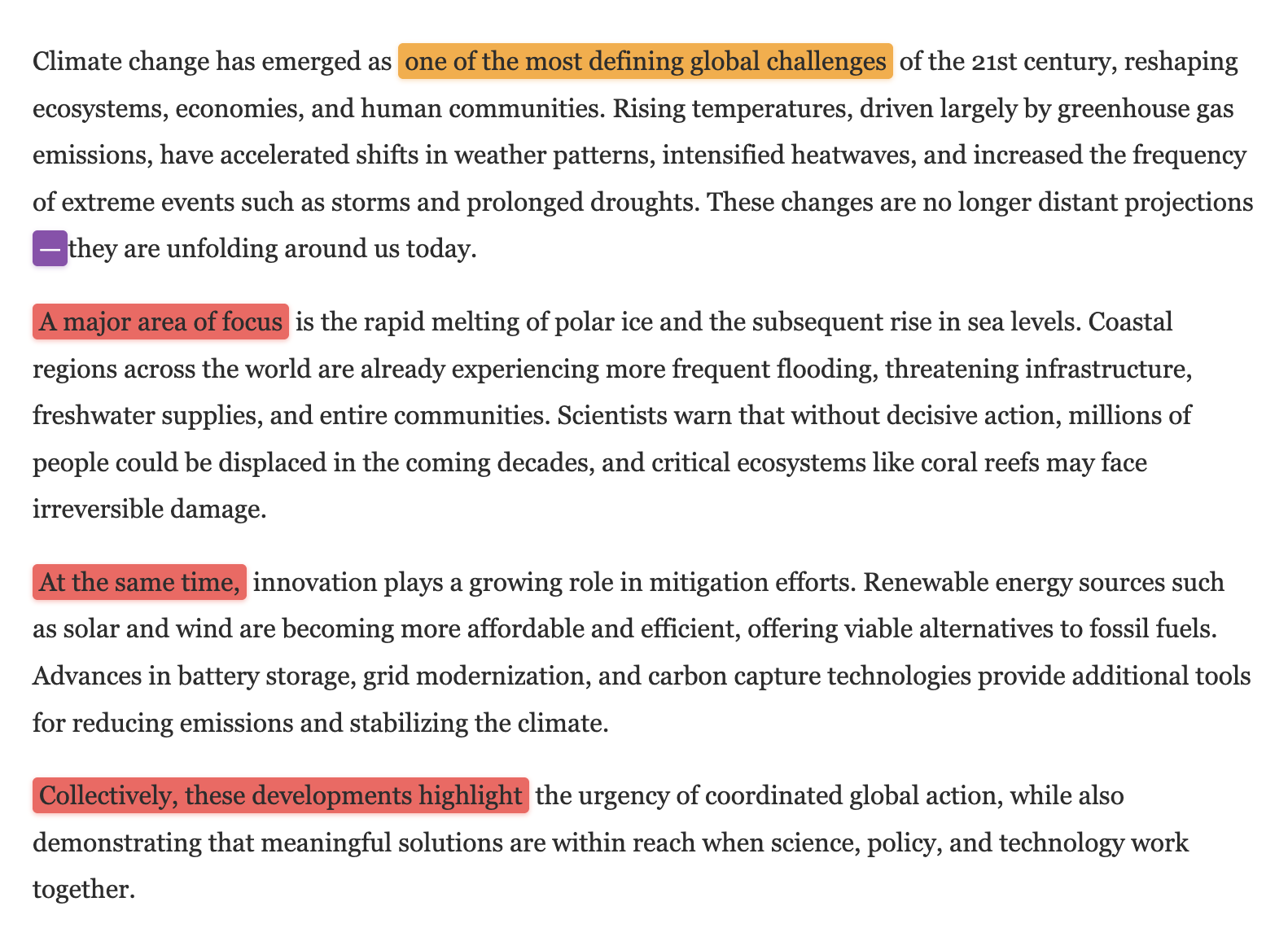
The text also retains other telltale AI markers such as “At its core,” “Another key trend,” and “Collectively, these developments highlight,” all of which signal machine-generated content to both automated detectors and human readers familiar with ChatGPT’s style.
In essence, Originality AI Humanizer preserves writing quality by barely touching the text at all. The output reads well because it’s essentially the same AI-generated content you started with, just lightly paraphrased in places. This approach offers nothing for users who need actual detection bypass.
How Much Does Originality AI Humanizer Cost?
The AI Humanizer tool itself is completely free (though limited to 300 words per session without creating an account). It’s designed primarily as a traffic driver, pulling users into an ecosystem where the real revenue comes from detection services, which operate on a credit-based system:
| Plan | Monthly Price | Annual Price | Credits/Month | Credit Value |
|---|---|---|---|---|
| Pay as You Go | $30 one-time | $30 one-time | 3,000 (2-year expiry) | 100 words each |
| Pro | $14.95 | $12.95 | 2,000 | 100 words each |
| Enterprise | $179 | $136.58 | 15,000 | 100 words each |
These credits apply to Originality’s paid features: AI detection, plagiarism checking, readability analysis, grammar checking, fact verification, and SEO content optimization. The humanizer operates separately and doesn’t consume credits.
For users specifically seeking AI detection bypass, paying for Originality’s subscriptions makes no sense since the humanizer is both free and ineffective. For publishers who need content verification tools, the humanizer becomes an inconsequential bonus rather than a deciding factor.
Does Originality AI Humanizer Respect User Privacy?
Originality AI’s privacy policy and terms of service are genuinely professional documents that are clearly written by actual lawyers rather than copied from generic templates. According to their documentation, the company, which is based in Collingwood, Ontario, Canada, collects:
-
Account information: Name, email address, and password
-
Technical data: IP address, browser type, ISP, navigation history, pages viewed
-
Cookies: Session cookies, preference cookies, and analytics tracking
-
Payment data: Processed through Stripe (Originality AI does not store credit card details)
The company works with several third-party services including Google Analytics, Microsoft Clarity, Active Campaign, SendGrid, Mixpanel, and AWS for hosting. Your data may be transferred to and stored in the United States via Amazon Web Services.
You should know that by uploading text to Originality AI, you grant them “a perpetual, non-royalty-bearing, irrevocable, sublicensable, transferable, and worldwide license” to use anonymized versions of your content for training and improving their detection technology.
However, unlike many competitors who bury similar clauses without offering alternatives, Originality AI provides an opt-out toggle in your account settings. If you enable this option, it applies retroactively to all past data associated with your account, which is a user-friendly approach rarely seen in this space.
The terms explicitly confirm that you retain full ownership of any content you submit. They also state clearly that they do not sell personal information.